This coffee comes from Ducurai, a high-elevation village in Timor-Leste’s Ermera municipality, just north of the country’s highest peak, Tatamailau. It was produced by 10 smallholder farmers who make up a group called Lebudu Kraik, meaning “lower wetlands,” a name drawn from their location along the mountainside.
The group works with Café Brisa Serena (CBS), a Timorese social enterprise and exporter that has spent the past decade developing specialty coffee production throughout the region. CBS works directly with remote farming communities to improve farm management, processing, drying, and quality control while maintaining exceptional traceability from individual producers.
Coffee has deep roots in this landscape. Many of Ducurai’s typica trees have been tended for decades, growing tall and vine-like beneath the shade of evergreen she-oaks. During harvest, producers often lean long wooden ramps against the trees to reach the sprawling canopy and selectively pick ripe coffee cherries by hand.
Most farms are only...
This coffee comes from Ducurai, a high-elevation village in Timor-Leste’s Ermera municipality, just north of the country’s highest peak, Tatamailau. It was produced by 10 smallholder farmers who make up a group called Lebudu Kraik, meaning “lower wetlands,” a name drawn from their location along the mountainside.
The group works with Café Brisa Serena (CBS), a Timorese social enterprise and exporter that has spent the past decade developing specialty coffee production throughout the region. CBS works directly with remote farming communities to improve farm management, processing, drying, and quality control while maintaining exceptional traceability from individual producers.
Coffee has deep roots in this landscape. Many of Ducurai’s typica trees have been tended for decades, growing tall and vine-like beneath the shade of evergreen she-oaks. During harvest, producers often lean long wooden ramps against the trees to reach the sprawling canopy and selectively pick ripe coffee cherries by hand.
Most farms are only 0.5 to 1.5 hectares, and processing takes place at the household level using personal or shared equipment, much of it handmade. After pulping and fermenting in small containers, the coffee is dried on raised beds and carefully sorted throughout the process. Investments from CBS in drying structures and processing equipment have helped producers achieve greater consistency while preserving the distinctly smallholder nature of coffee production in the region.
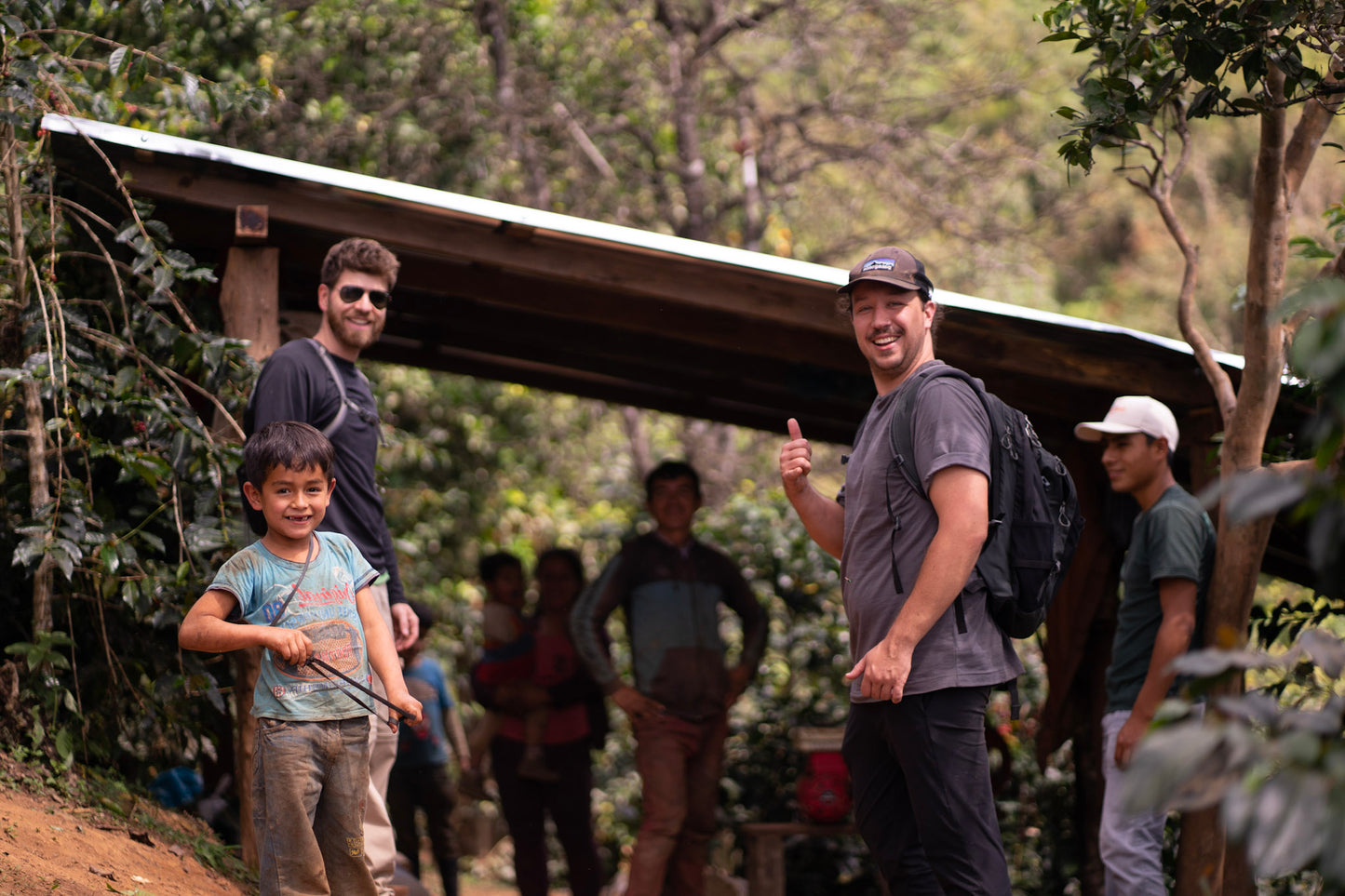
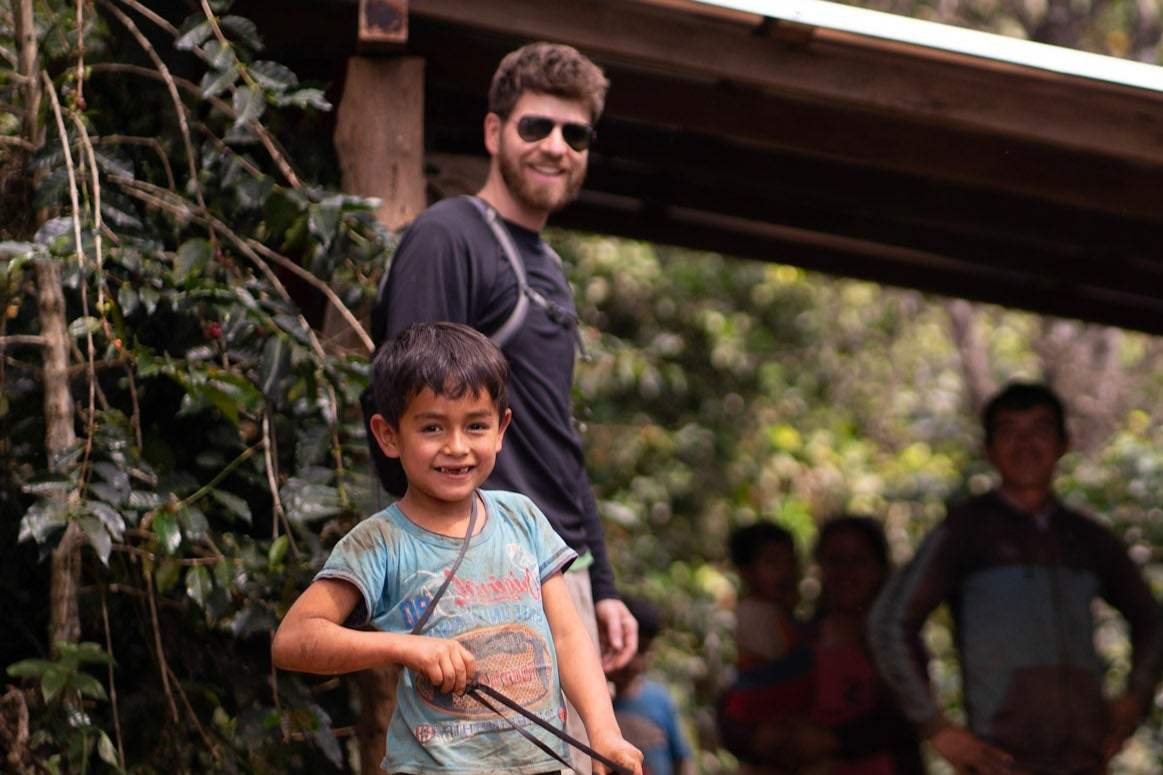
For Utopian, this coffee also represents a place we have been fortunate enough to experience firsthand. Brendon traveled to Timor-Leste and spent time learning about the people, landscapes, and coffee systems behind the cup, deepening our connection to an origin whose coffee industry carries enormous importance for the communities who call it home.